Prime Manteca ConcretePrime Manteca Concrete

Foundation raising in Manteca CA - a level home set on permanent supports

Floors that slope, doors that stick, cracks that keep growing? We lift your settled house back to level and leave it on permanent supports.

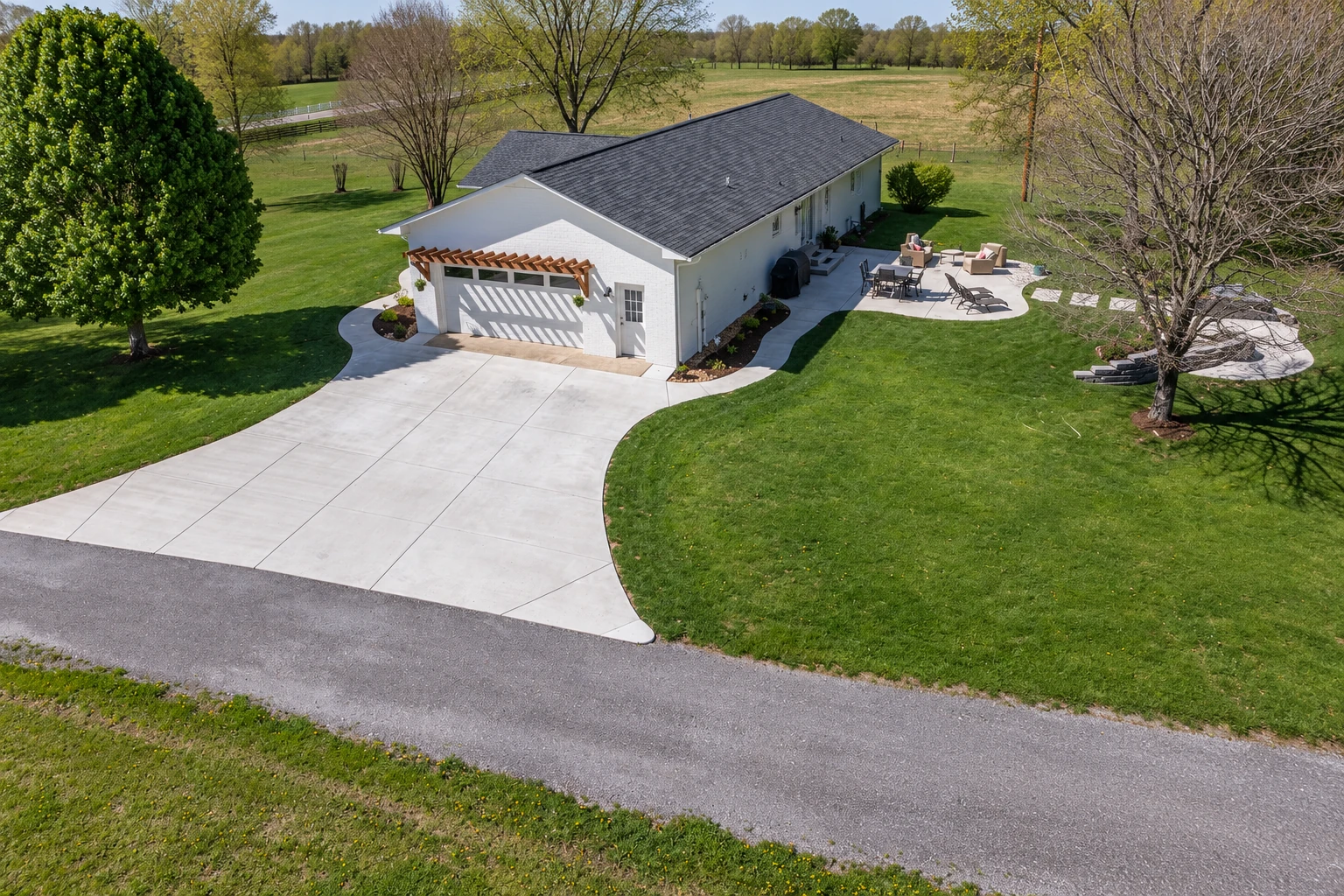
Curved concrete driveway leads from a paved road to a white outbuilding, with a patio and lawn beside it.

Foundation raising lifts a settled house in Manteca back to the right level for its foundation, using hydraulic jacks or steel piers, and then sets permanent supports so the house has something solid to sit on at its new height.

Can a settled house in Manteca be raised back to level?

Most people call because something in the house feels off. A door that used to latch now rubs, a marble rolls toward one wall, or a crack opens over a window. Before we talk about lifting, I want to know why it settled, because a house raised without that answer can end up right back where it started.

The price mostly turns on your foundation type, since a crawl space is easier to reach than a slab, on how far the house has dropped, and on how much work is in the contract, from supports to any framing repair. The schedule hangs on those same things, plus any engineering review and the time you're out of the house. My written estimate lays out the scope so you can compare it with other bids.

What to know before your house is lifted

A lift is slow, careful work, and most of it happens where you can't see it. These are the points homeowners ask about once they understand what the job really involves.

The jack never holds the house alone

The jack only pushes. Between each push, a crib tower, a stack of support blocks set under the house, carries the weight, so the house is never balanced on a jack while the crew resets. That's how a house comes up a little at a time instead of all at once.

Cracks after the lift

An old house can crack a little when it moves. One foundation company says a slow, well-engineered relevel keeps that risk low, and that cracks which do show up usually stop once the house sits at its new height. Plan on some cosmetic patching afterward, so a hairline crack doesn't catch you off guard.

Reading what a bid covers

Two bids for the same house can be far apart because they don't cover the same work. Look for the cribbing, any framing repair, the engineering check and the patching. If something you expected isn't on paper, ask before you sign, not after the crew is already under the house.

What happens when you call about raising your house

From the first call to the last cleanup, you'll know who's doing what. I handle the look and the estimate myself, and our crew lead runs the work.

  1. 1

    Call or send a request

    Call (209) 707-1014 or use the form, and tell us what you're noticing, whether that's sloping floors, sticking doors or new cracks. We'll get back to you and set a time for me to come out.

  2. 2

    Walk the house with me

    I come out myself, get under the house where I can, check where the water goes around it and ask what's changed. You get a written estimate that names the supports, any repair work and anything left out.

  3. 3

    Our crew raises the house

    Once you say yes, our crew lead runs the job. The house comes up in small steps on crib towers, and the permanent supports go in at the jacking points before the jacks come out. I check in as it goes.

  4. 4

    Clean up and look it over

    The crew clears out the equipment and cleans up. Once the house sits at its new height, we look at any cosmetic cracks with you and talk about patching, so you know what's normal and what isn't.

Request an estimate

How we approach foundation raising

A lift only lasts if something permanent is under the house when the jacks come out. Steel piers or adjustable steel posts go in at the jacking points to hold the new height, and without them the house would just settle back down. That's why our bid names the supports, what kind they are and where they go.

Before we plan a lift, I look hard at the framing and the sills, the wood the house rests on. If they look tired, I want an engineer or a structural mover to look at the house first. One lifting-equipment maker gives the same advice, because rotted sills, failing framing or severe settlement sometimes need real reinforcement before the house can go up. Better to find that on paper than halfway through a lift.

The supports are the part you'll never see, and they're the first thing people want to trim when the budget gets tight. I'd rather you wait on the cosmetic patching than skimp on what's holding the house up. A wall can be repainted any time. A house that slides back down means doing the whole lift again.

Raising a house can change how it meets the concrete around it. A stoop, a walk or a slab tied to the house may need to be cut free first, and our concrete cutting work takes care of that. Afterward, a driveway that met the garage at the old height can be left with a step, which is when concrete driveway building comes in.

Steel piers

Steel piers go in at the jacking points as fixed supports for the new height. Which support fits your house is something I settle after seeing the foundation, and the estimate says what we picked and why.

Adjustable steel posts

Adjustable posts also hold the house at its new height, and as the name says, they can be adjusted. They're often the call under crawl space and pier-and-beam homes, where the crew can reach them later.

Get a written plan for leveling your house

Send the form and we'll reply within one business day to set a time. I'll come out for a free on-site estimate, look under the house and put the scope in writing. There's no pressure to book.

(209) 707-1014

support@mantecaconcretemasonry.com

Raising settled houses in Manteca and the cities around it

San Joaquin County faces flooding from levee failures and from rain and snowmelt that build faster than the rivers can carry them off. The county's own records note a levee breach along the San Joaquin River that led to evacuations in Manteca. If water is part of why you're thinking about your foundation, say so when you call.

This page is about bringing a settled house back to level, and I'll be straight with you about what that work covers. We're based in Manteca and work across San Joaquin and Stanislaus counties, including Lathrop and Ripon. Around here we meet older houses up on crawl spaces and plenty of slab homes, and we check under each one before talking about a lift.

Why Manteca homeowners call Prime Manteca Concrete to raise a house

I started Prime Manteca Concrete in 2021, so we've been at it five years, after a long stretch doing upkeep for a property management company. I saw the same sunken slabs and cracked walks come back again and again, and I wanted to know why. That's still how we work. We figure out what went wrong before we fix it.

I come out to look at your house and write the estimate myself, and our crew lead and crew do the work while I check in. We're fully licensed and insured, and it's satisfaction guaranteed on every job.

Homeowners call us, and so do landlords and small property owners. If your house has started to settle, call (209) 707-1014 or send us a request, and have your foundation type, the signs you've noticed and any flood worries ready.
Concrete cutting

When a stoop, walk or slab is tied into the house, it may need a clean cut before the lift so the house can move without tearing the concrete around it.

Concrete driveway building

If your driveway no longer meets the garage at the right height after the house comes up, a new pour can close that step and shed water away.

Cities we work in around Manteca

We're based in Manteca and raise houses in cities across San Joaquin and Stanislaus counties. These are the cities with their own page. If yours isn't listed, give us a call and ask.

Questions about raising a house in Manteca

How much does it cost to raise a house in Manteca?

One cost guide puts raising a typical single-family house at about $20,000 to $80,000 per home across the US, so treat that as a national planning figure, not our price. Where your house lands depends on its foundation type and how much work is in the contract. My estimate puts that scope in writing.

Is a slab home harder to raise than a crawl space home?

Yes, usually. Crawl space and pier-and-beam homes are the cheapest to raise because the crew can get underneath, while a slab has to be separated from the house or lifted with it. That adds engineering and labor, so plan for a bigger job if your house sits on a slab.

Do I have to move out while my house is being raised?

Yes, for part of it. One cost guide puts a project like this at six to twelve weeks, with the family out of the house for part of that time. Temporary housing almost never shows up in a contractor's bid, so set money aside for it separately.

Who is licensed to raise a house in California?

The state contractor board's building moving/demolition classification covers contractors who raise, lower, crib and underpin houses, including their foundations. Repairs and changes to the parts of the house that stay in place fall outside it, so ask any contractor which license covers which part of the job.

How do I get ready for a foundation raising estimate?

Make a list of what you've noticed, like doors that stick, floors that slope or cracks that have grown, and roughly when it started. Clear a path to the crawl space hatch if you have one. If flooding worries you, bring that up too, so we can talk it through on site.

Find out why your house settled

Call (209) 707-1014 or send the form, and I'll come see whether your framing is ready for a lift or needs work first.

(209) 707-1014Request an estimate