Prime Manteca ConcretePrime Manteca Concrete

Concrete footings in Manteca CA - a solid base sized for your soil and what it carries

Cracks in the wall above an old footing, or a new addition coming? We size the footing to your ground and what it holds up.

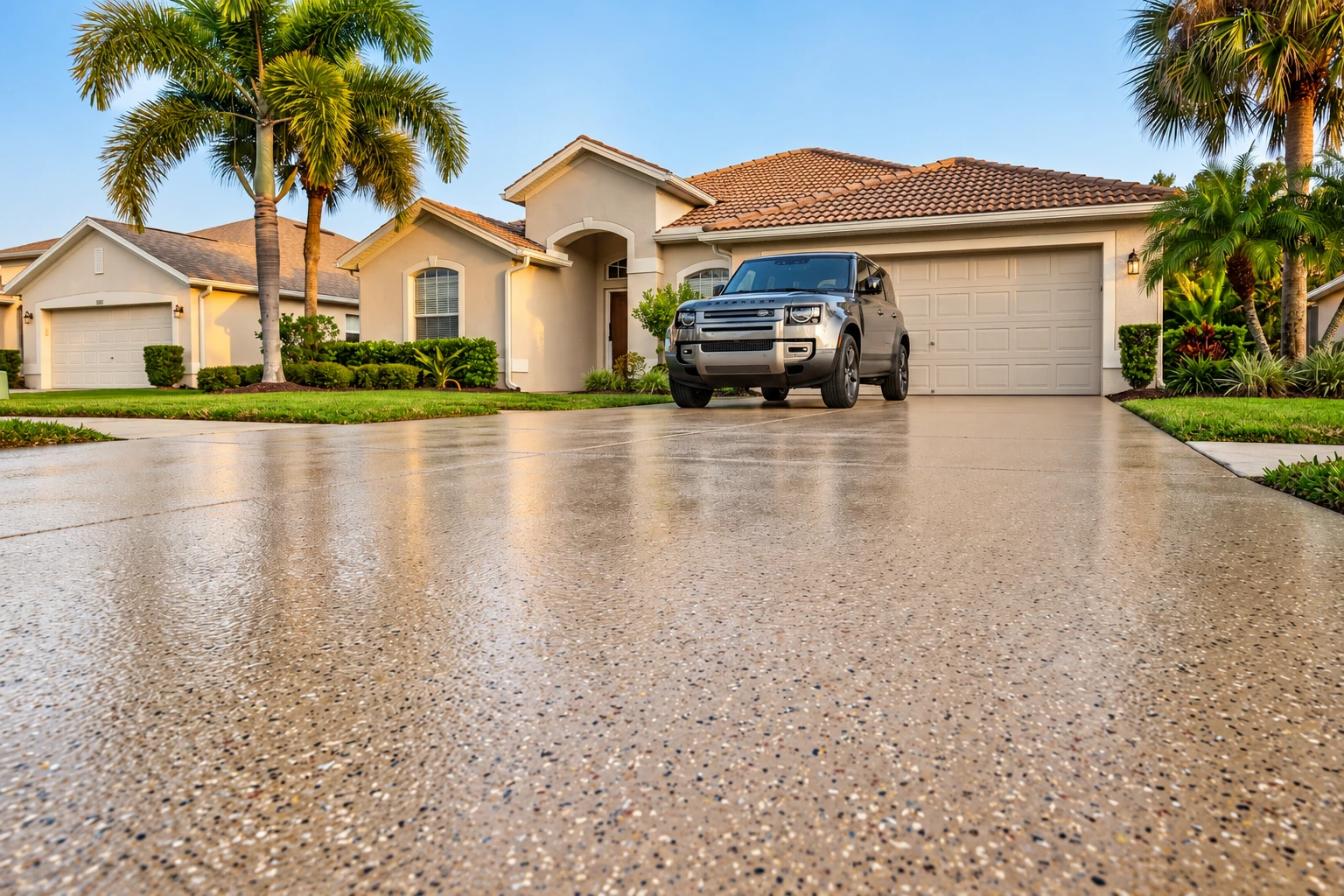
Broad exposed-aggregate concrete driveway leads to a garage, with a dark SUV parked in front of a stucco home.

A concrete footing is the buried band or pad of concrete that carries a wall, a post or an addition. In Manteca we build one by digging the trench, setting the forms and steel, then pouring and finishing it so the weight spreads into ground that can hold it.

What does a concrete footing job in Manteca involve?

Price mostly follows the footing's size, and size follows the ground and the load. Soft soil or a heavy load calls for a wider, deeper footing, and a longer run means more digging and more concrete. The schedule turns on the dig, setting the steel and the curing wait, which is the time concrete needs to harden before it carries weight. Your estimate puts the scope in writing so you can compare it with other bids.

Maybe you're here because an old footing moved, a wall cracked above it or a post sank. If so, I want to know why before we pour anything new. Usually it's ground that kept getting wet and drying out underneath, or a footing too small for what it held. Fixing the cause is what keeps the new one from going the same way.
What decides how a footing gets built

A footing does its work underground, so most of what matters happens before the pour. These are the parts I look at on a footing job and talk through with you.

Size follows the load

A footing under a fence post carries far less than one under a room addition or a block wall, so I ask what's going on top before we size anything. The footing has to spread that weight over enough ground that the soil underneath doesn't squeeze down and let it sink.

Steel and forms before concrete

Rebar is the steel bar set inside the footing, and it holds the concrete together when the ground shifts or the load pulls unevenly. We set it on supports so it sits inside the pour instead of on the dirt. Then we build the forms so the edges come out straight and the right width.

How it's built counts too

On clay that swells, the care that goes into the building work strongly affects how a footing holds up, along with the design on paper. So we dig to a clean, firm bottom, keep loose dirt out of the trench and avoid pouring in the worst of the afternoon heat.

What happens when you call us about a footing in Manteca?

Here's how a footing job runs from your first call to cleanup, and who you'll be dealing with at each stage, so nothing comes as a surprise.

  1. 1

    Call or send a request

    Call (209) 707-1014 or use the request form and tell us what the footing needs to hold up. We'll get back to you and set a time for me to come out.

  2. 2

    I walk the site with you

    I come out myself, ask what the footing has to carry and check what's around it, like slope, downspouts and sprinklers. Then I write up the estimate with the scope spelled out so you can compare it.

  3. 3

    We handle permits and the pour

    Once you say yes, we check with the city or county on whether the job needs a permit and handle the paperwork and inspections if it does. Our crew lead then runs the dig, forms, steel and pour.

  4. 4

    Cleanup and the curing wait

    The crew lead sees the job through to cleanup. After that the concrete needs time to cure before it takes weight, so we'll let you know when it's ready to build on.

Request an estimate

How we build concrete footings

A footing has to suit the ground it sits on and what it holds up, so before we size the dig I look at the site and ask what's going on top. A shed, a patio cover and a room addition all need different footings. Sizing every one of them extra wide just to be safe costs you money you didn't need to spend.

We also talk about watering and drainage near the footing, because ground that goes wet and dry around it matters as much as the concrete. On clay that swells, plants and drainage strongly affect how a footing performs. Heavily watered landscaping next to a foundation is a common cause of uneven settling, so if a sprinkler soaks the footing line, we'll point it out.

The one place I won't trim to fit a budget is the dig. Nobody sees it once the concrete's in, so it's the first thing people want to cut, but a shallow footing on poor ground is how people end up needing foundation raising later. When a new footing has to run under an existing slab, we use concrete cutting to open a clean trench instead of breaking it out by hand.

Strip footing under a wall

A continuous strip of concrete runs under the full length of a wall or addition, so the load spreads evenly along it. It's the usual choice when the weight sits along a line rather than at a few points.

Pad footings under posts

Separate square pads sit under each post of a patio cover, deck or carport. They take less digging and concrete, but each pad has to be sized for the weight on its own post.

Get a written estimate for your footing

Send the form and we'll reply within one business day to set up a time. I come out to your property, look at the ground and what the footing will carry, then write up a free estimate. There's no obligation and no pressure to book.

(209) 707-1014

support@mantecaconcretemasonry.com

Concrete footings and foundation work around Manteca

San Joaquin County's building design criteria put the area in earthquake design category D1. That rating shapes how the steel in a footing and its tie to the wall above get planned here. The ground itself is mostly flat. Manteca's draft General Plan report rates landslide risk as low, rising only in the city's southwestern corner where the elevation changes more.

That same report says homes on clay that swells can be damaged when design and construction leave the swelling out of account. So we treat swelling ground as something the footing is planned around, not a surprise. We do the same footing work in Manteca and nearby Ripon. Most of it is for additions, patio covers, block walls and garden structures, on older lots and newer ones alike.

Why Manteca homeowners call Prime Manteca Concrete for footings

Before I started this business in Manteca in 2021, I did upkeep for a property management company and kept fixing the same cracked walks and sunken slabs. I learned the trade on real jobs because I wanted to know why they kept failing. That's still what we're best known for, and homeowners, landlords and small property owners all call us for it.

I come out and write every estimate myself. Our crew lead and crew do the forming, pouring and finishing, and I check in on the work as it goes. We're fully licensed and insured. Satisfaction guaranteed on every job. To get started, call (209) 707-1014 or send us a request.

Foundation raising

If a house or addition has already settled and the walls are cracking, raising the foundation back toward level may need to come before any new footing work.

Concrete cutting

When a new footing or pipe has to go through an existing slab or driveway, a saw cut leaves clean edges and saves breaking out more concrete than needed.

Cities we serve for footing work

We're based in Manteca and work in the cities around it in San Joaquin and Stanislaus counties. If you don't see your city listed below, give us a call and ask.

Questions about concrete footings in Manteca

How much do concrete footings cost in Manteca?

Installed concrete footings across the US usually run about $4 to $20 per linear foot for the concrete, labor and digging. That's a national figure, not our price, and a wide, deep footing on weak ground can cost several times what a shallow one does. Ask each bidder what their per-foot price includes, since quotes usually bundle the rebar and the contractor's margin too.

How long does it take to put in a concrete footing?

Most of the time goes into the dig, the forms and the steel, and the pour itself is usually the short part. After that the concrete has to cure before you build on it, so plan for a wait. The length of the run and how hard the digging is set the pace on your job.

What should I do before a footing is poured on my property?

Clear a path for the crew and move anything stored along the footing line. Let us know where sprinkler lines, drains and other buried pipes run. Have any plans for what the footing will hold up handy too, because those decide the size.

Why does soil type matter for a concrete footing?

Soil decides how wide and deep a footing has to be, since soft ground needs more area to carry the same weight. Clay that swells when wet and settles when dry can also move a footing, and that movement often cracks floors and walls in homes. That's general research, not a read on your lot, which is why I look at the ground on site.

How deep is the frost line in San Joaquin County?

The county's building design criteria list the frost line depth as zero. That means frost doesn't set how deep a footing goes here the way it does in colder places. Depth here comes from the soil and the load instead.

What license does a concrete contractor need in California?

Concrete work falls under California's C-8 Concrete Contractor class, which covers contractors who form, pour, place, finish and install concrete. Firms whose only business is placing reinforcing steel aren't covered by it. You can read the class description on the state licensing board's site.

Call with your footing details ready

Have the property address, what the footing will hold up and its rough length in feet handy when you call (209) 707-1014 or fill out the form, and we can talk it through from the start.

(209) 707-1014Request an estimate