Prime Manteca ConcretePrime Manteca Concrete

Foundation installation in Manteca CA - a solid base chosen for your lot and soil

Building a house or addition and not sure what it should sit on? We help you pick the right base and build it properly.

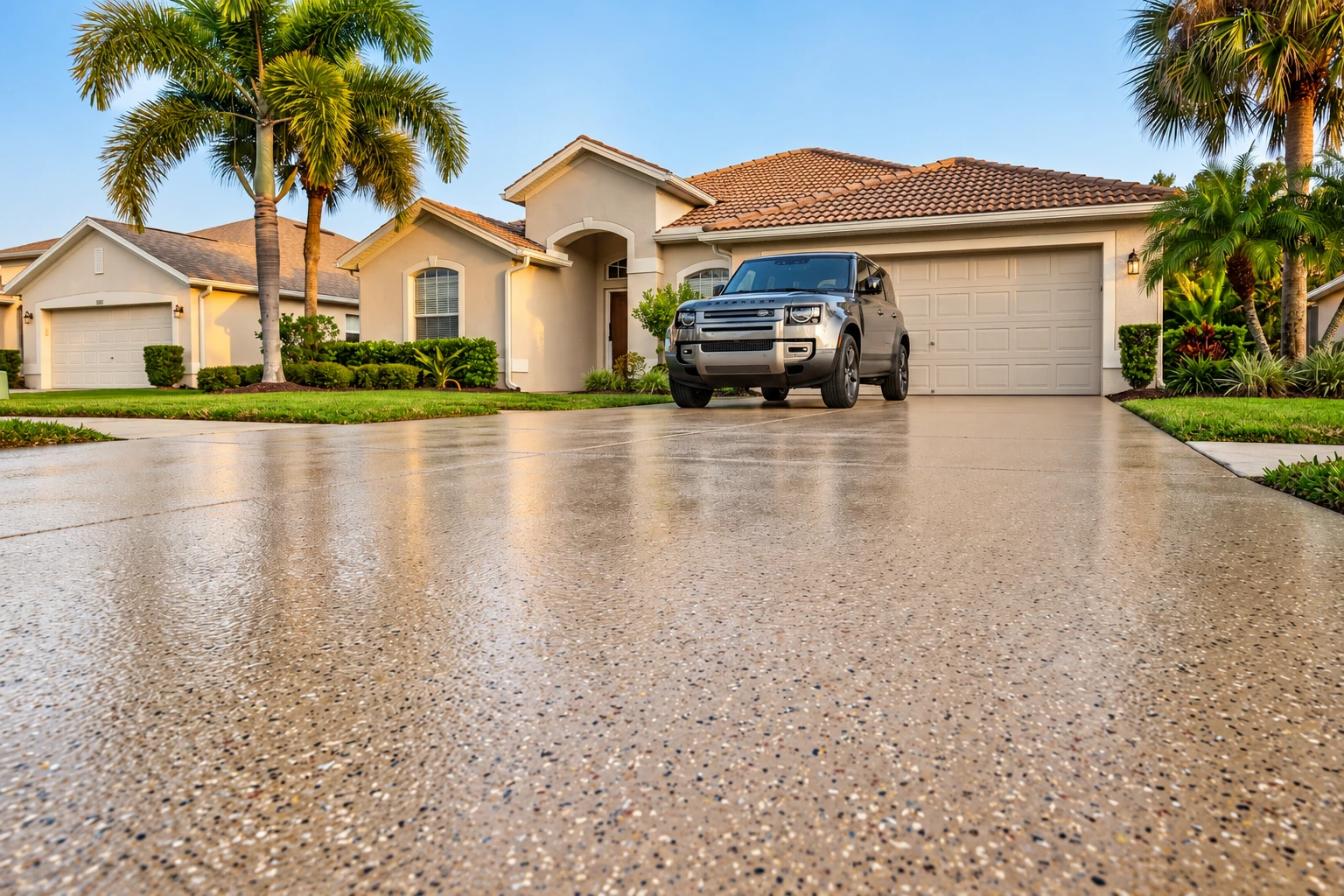
Broad exposed-aggregate concrete driveway leads to a garage, with a dark SUV parked in front of a stucco home.

Foundation installation in Manteca means building the concrete base your house, addition or backyard unit rests on, either a slab, which is a thick pad poured right on the ground that also serves as the base for your floors, or a raised crawl space.

What does it take to put in a new foundation in Manteca?

If you're building a house, an addition or a backyard unit, the first question is what it's going to sit on. That answer depends on ground you can't see yet, so I'd rather work it out before we talk about concrete than find a surprise halfway through the dig. A foundation is the one part of the house you can't easily redo later.

Price moves mostly with the size of the building, whether it's a slab or a crawl space, and how much work the soil needs before we pour. The schedule turns on the soil check, any permits and inspections, and the type you pick. You'll get your own figure from the estimate once I've walked the lot.

What keeps a foundation sound for decades

A foundation can look fine the day we finish and still give you trouble years later. These are the parts we spend the most time on, because they're buried once the concrete is down.

Firm, packed ground underneath

The subgrade is the ground the concrete sits on, and the most common shortcut is raking it level instead of digging out the soft dirt and packing what's left. Loose dirt settles under the weight of a house, and the concrete goes down with it. We dig to firm ground and compact it before the forms go up.

Water that drains away

Before we set anything, I look at where rain runs on your lot and where it sits. Ground that stays soaked under a foundation softens and moves, so we shape the grade around the house to carry water away from it instead of letting it pool along the edge.

Steel, pour timing and curing

Rebar, the steel bars inside the concrete, holds it together if the ground shifts. In summer we pour early, because concrete that dries too fast in the afternoon heat ends up with a weak, dusty top. Then it needs its curing time, the wait while it gains strength, before anything heavy goes on it.

What happens when you call about a foundation in Manteca?

Here's how a foundation job goes with us, from your first call to the day the concrete is ready for framing. You'll know who's doing what at each step.

  1. 1

    Call or send a request

    Call (209) 707-1014 or use the form on this page and tell us what you're building and where. We'll get back to you and set a time for me to come out to the lot.

  2. 2

    I walk the lot and write it up

    I come out myself, ask what the foundation has to carry and look at what's around it, from the soil to where water runs. Then I put the scope in writing so you can compare it with other bids.

  3. 3

    We handle permits and pour

    Once you say yes, we take care of any permits the job needs. Our crew lead then runs the work, digging out and packing the ground, setting the steel, building the forms and pouring.

  4. 4

    Cleanup and curing time

    Our crew lead sees the job through to cleanup, and I check in along the way. The concrete then needs its curing time before framing starts, and we'll let you know when it's ready.

Request an estimate

How we plan your foundation installation

Slab or crawl space comes down to your lot, your budget and how easy you want it to be to reach pipes and wiring later, so I lay the two out side by side before you choose. On clay or wet ground, I want the soil checked before we settle on a type, because the ground has more say in how a foundation holds up than anything we pour on top of it.

The ground work is also the first place a tight budget usually tries to save, since it's buried on day one and nobody sees it. I'd rather trim somewhere else. A foundation that looks great and then settles a few years in is a much bigger bill than doing the base right the first time.

A crawl space sits on stem walls, short concrete walls that rise from concrete footings, the wide base that spreads the house's weight into firm ground. Landlords and small property owners building on a rental lot often need room for cars too, and we take on concrete parking lot building as part of the same project or on its own.

A slab on the ground

A slab is the simpler build, with fewer parts and no space underneath to keep dry. The catch comes later, because fixing a pipe, wire or duct under it can mean breaking through the concrete, which adds labor and cost to the repair.

A raised crawl space

The house sits up on walls and footings with an open space underneath, so a plumber or electrician can crawl in and reach what they need. It's more building up front, but later repairs don't start with a jackhammer.

Get a free on-site estimate for your foundation

Send the form and we'll reply within one business day to set a time. I'll come out to see the lot myself and write up a free estimate, with no obligation and no pressure to book.

(209) 707-1014

support@mantecaconcretemasonry.com

Soil, flooding and foundation work around Manteca

On clay that swells and shrinks, one engineering firm calls a standard slab risky, because that movement can crack it over time. Its options include a post-tensioned slab, held as one stiff plate by tightened steel cables, or a crawl space on stem walls. The county's maps of expansive soil, subsidence and flood areas are a good first look before we check your own lot.

The soil type named for Manteca has a cemented hardpan layer 20 to 40 inches down, which is worth knowing before anyone digs for footings. Flooding is the other local question. The City of Manteca has proposed planning goals to protect homes in floodplains through building requirements, restrictions and standards. Under FEMA's rule, new buildings in identified flood hazard areas need a permit file showing they're properly elevated, and that elevation record also helps you get flood insurance.

Whether your foundation needs a permit is up to the city or county, so we check with them on every project, then handle the paperwork and set up the inspections when one's needed. We do the same foundation work in nearby cities like Lathrop and Ripon.
Why Manteca homeowners call Prime Manteca Concrete for a new foundation

I spent years doing upkeep for a property management company, fixing cracked walks and sunken slabs that kept coming back, and I learned this trade to find out why. I started Prime Manteca Concrete in 2021, and five years on we're still best known for working out why old concrete failed before we pour new.

On a foundation, that means I come out and write the estimate myself, and I ask about your soil and water before I ask about anything else. Our crew lead and crew do the forming, pouring and finishing, and I check in as the work goes. We're fully licensed and insured. Satisfaction guaranteed on every job.

If you're still weighing a slab against a crawl space, that's a good time to call. Reach us at (209) 707-1014 or send us a request, and I'll come out, walk the lot with you and answer the soil questions before you've committed to anything.

Concrete footings

If you're adding a room, a porch post or a garage that doesn't need a full foundation, footings carry the weight down into firm ground.

Concrete parking lot building

Building a rental or small commercial property usually means paving for cars too, and a lot poured on a well-packed base handles that daily traffic.

Cities we cover from our Manteca base

We're based in Manteca and work in the cities around it in San Joaquin and Stanislaus counties. These cities have their own page, and if yours isn't listed, give us a call and ask.

Questions about new foundations in Manteca

How much does a new foundation cost in Manteca?

A basic slab foundation usually costs about $4,000 to $14,000 per job across the US, and that's the market's range, not our price. Your figure moves with the building's size, the type you choose and what your soil needs. I'll walk the lot and give you a written estimate for your job.

Should my house sit on a slab or a crawl space?

On a flat, dry lot a slab is usually the budget pick, because crawl spaces tend to cost more. Builders often prefer a crawl space on damp or sloped lots. If your ground is clay, get the soil checked first, as I covered in the Manteca section above.

How long does it take to build a slab foundation?

One engineering firm says a slab cures in 7 to 10 days, while stem wall and joist foundations take weeks, so a slab suits a project that has to move fast. Before the pour, the soil check and any permits and inspections set the pace. I'll walk you through the schedule for your job at the estimate.

How long will a slab foundation last?

A properly built and cared-for slab foundation can last 50 to 100 years, depending on the climate, earthquake activity and what goes on near the house. How carefully it's built and how well it's kept up both make a difference, which is why we put the time into the ground and drainage before the pour.

Who can legally pour a house foundation in California?

In California, forming, pouring, placing and finishing concrete falls under the state's C-8 concrete contractor license. A license is required for any work that needs a permit of any kind, even if the project is under $1,000, so ask anyone bidding your foundation for their license before you sign.

What should I have ready before a foundation estimate?

Have the lot address, the planned size of the building and any soils report you already have. Drawings help if you've got them, and so does knowing where water sits after a heavy rain. If there's no soils report yet, that's fine, and I'll look at the ground with you when I come out.

Call before you settle on a foundation type

The soil answer shapes the rest of the plan, so call (209) 707-1014 or send the form before your builder sets a pour date.

(209) 707-1014Request an estimate